
Digging for Gold in North Africa: The Radical Archiving of Habibi Funk
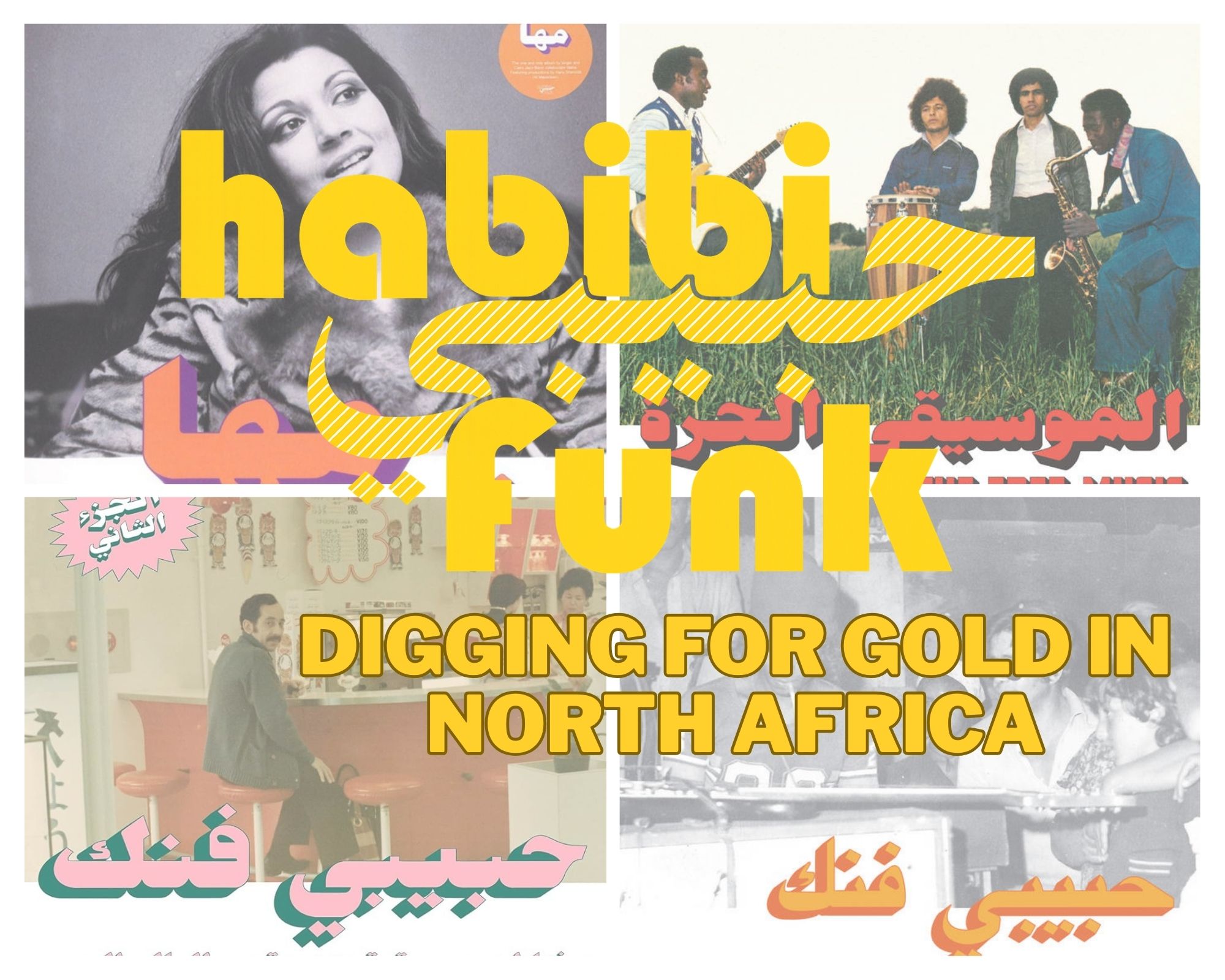
In the global music industry, the term “World Music” has often been a reductive bucket for anything non-Western. However, the Berlin-based label Habibi Funk has spent the last decade dismantling this trope. By focusing on the 1960s, 70s, and 80s—a period of immense creative hybridity in the Arab world—the label has unearthed a treasure trove of funk, soul, disco, and psych-rock that feels as contemporary today as it did forty years ago. More than just a reissue house, Habibi Funk operates as a modern archive, proving that the sounds of Casablanca, Khartoum, and Algiers were always part of a global, cosmopolitan dialogue.
The story of the label is inseparable from its founder, Jannis Stürtz. While traveling through Morocco, Stürtz encountered the music of Fadoul—an artist whose raw, high-energy delivery earned him the nickname “The Moroccan James Brown.” This encounter was the catalyst for a mission: to find the artists who were looking outward, blending the rhythmic DNA of their heritage with the fuzzed-out guitars and syncopated grooves of the West.
The Philosophy of “Eclecticism”
Habibi Funk does not look for traditional folk music. Instead, it looks for “eclecticism”—the sound of urban centers where musicians were listening to everything from Stax and Motown to European psych-rock. One of the label’s most significant successes is the discovery of Egypt’s Al Massrieen. Led by Hany Shenoda, the group combined lush string arrangements with proto-electronic synths and disco beats. Similarly, the label’s work with Sharhabil Ahmed, known as the “King of Sudanese Jazz,” introduced the world to a unique brand of surf-rock and brass-heavy swing that had remained largely localized for decades.
Ethics in the Age of Reissues
What truly distinguishes Habibi Funk from many of its peers is its rigorous ethical framework. The label operates on a strict 50/50 profit split with the original artists or their estates. Stürtz often spends months tracking down families to ensure they are the rightful beneficiaries. A prime example is the label’s dedication to Algerian film composer Ahmed Malek. Stürtz spent significant time in Algiers working with Malek’s daughter to compile his cinematic jazz works. Each release is accompanied by bilingual liner notes and rare photography, transforming every record into a historical document.
The Visual Narrative
The label’s aesthetic is instantly recognizable: the iconic yellow border, the minimalist typography, and the candid photography. This visual identity avoids the clichés of “exoticism” and instead presents the artists as they were—modern, stylish, and revolutionary. This branding has turned Habibi Funk into a lifestyle movement, attracting a younger generation of listeners in the Arab diaspora who find in these records a reflection of their own multifaceted identities.
Conclusion
Habibi Funk reminds us that the history of music is not a hierarchy, but a network. By documenting these “lost” years of Arab creativity with such precision and ethics, the label does more than sell records; it restores a narrative. It proves that the 1970s weren’t just about New York or London—they were about a world vibrating in unison. As we continue to dive deeper into their expansive catalog, we will be publishing individual reviews of their most essential releases in the coming weeks. Until then, keep digging.