The Geometry of Solitude: 25 Years of Zero 7’s ‘Simple Things’ and the Peak of Downtempo Luxury
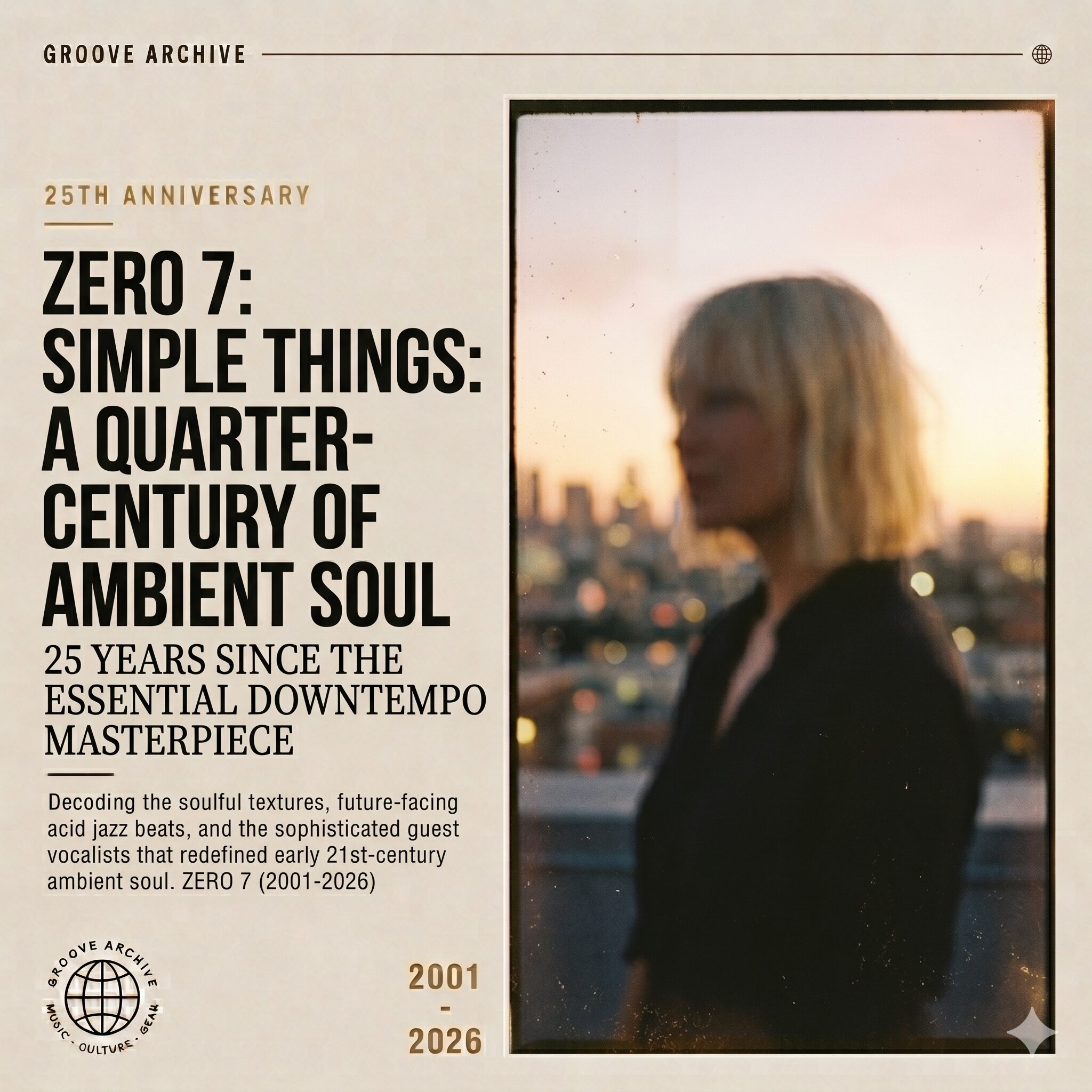
At the turn of the millennium, electronic music was suffering from an identity crisis. The frantic energy of 90s rave culture was cooling down, and the industry was searching for a sound that could transition from the sweaty dancefloors of Ibiza to the quiet, rain-slicked living rooms of London. While trip-hop had provided a dark, paranoid soundtrack through Bristol, there was a sudden craving for something warmer, more organic, and unapologetically beautiful.
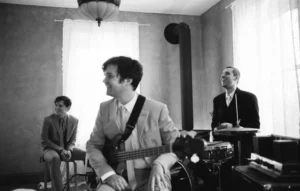
The Architects of the New Chill-Out Movement; Henry Binns and Sam Hardaker.
When Zero 7 released their debut album Simple Things in April 2001, it didn’t just capture a mood; it defined an entire lifestyle. Twenty-five years later, in 2026, the record has transcended its “chill-out compilation” era stigma to stand as a monumental achievement in acoustic-electronic orchestration. It remains a masterclass in how to build a sanctuary out of sound, fusing the soulful DNA of 70s jazz-funk with the pristine, cinematic spacing of modern ambient pop.
The Engineers Who Escaped the Loudness War
To understand the breathtaking fidelity of Simple Things, you have to look at the resumes of its creators. Binns and Hardaker didn’t start as touring DJs or bedroom producers; they were trained studio engineers who cut their teeth as tape operators at Mickie Most’s legendary RAK Studios. They spent years watching how rock gods and soul legends utilized acoustic spaces, microphone placement, and analog consoles.
When they stepped up to produce their own music—most notably after their brilliant, haunting remix of Radiohead’s “Climbing Up the Walls”—they brought that forensic attention to sonic detail with them.
Simple Things is an audiophile’s dream because it treats electronic music with the dignity of a live jazz recording. The Fender Rhodes piano isn’t a digital plugin; you can hear the mechanical weight of the tines striking, vibrating with a saturated, tube-preamp warmth. The basslines don’t just occupy the low-end; they have a physical, rounded bounce that anchors the ethereal acoustic guitar strums.
For a generation tired of the clinical compression of the early digital era, Zero 7 offered an analog mirage where every instrument had room to breathe, mutate, and decay naturally within the soundstage.
The Tri-Vocal Masterclass: Sia, Sophie, and Mozez
An instrumental downtempo record can easily drift into elevator music if it lacks a human heart. Zero 7 solved this by treating their vocalists not as guest features, but as lead instruments woven directly into the architectural fabric of the tracks. The album relies on three distinct voices, each providing a different shade of intimacy.
Sia (The Raw Emotional Catalyst)
Long before she became a global, wig-wearing pop juggernaut writing stadium anthems, Sia was a jazz-club vocalist with a gravelly, heartbreakingly vulnerable tone. Her performance on “Destiny” and “Distractions” is the emotional spine of the album. The way her voice cracks slightly under the weight of the lyrics, deliberately sliding behind the beat, gives the tracks a raw, unpolished humanity that contrasts beautifully with the pristine production.
Sophie Barker (The Whispering Ghost)
If Sia is the fire of the record, Sophie Barker is the cool evening air. On tracks like “In the Waiting Line,” Barker delivers a breathy, near-whispered performance that feels almost uncomfortably close, as if she is sitting right next to you between the speakers. Her delivery captures the mundane, existential dread of modern life with a soothing, hypnotic grace.
Mozez (The Spiritual Anchor)
Providing the masculine counterweight, Mozez injects the album with a deep, liquid-soul delivery on tracks like “I Have Seen.” His voice carries the weight of classic Motown and gospel, grounding the cosmic, space-age bachelor pad instrumentals in something ancient and deeply spiritual.
“We wanted to make a record that felt like a warm blanket after a long night. It wasn’t about showing off our gear; it was about hiding the technology behind the emotion.”
The Vinyl Ritual: Side-B Sophistication
While Simple Things ruled the CD changers of early-2000s coffee shops, its true home is on a heavy-weight vinyl pressing. The album’s pacing is cinematic, almost theatrical, moving from the sun-drenched optimism of the title track “Simple Things” to the nocturnal, jazz-fusion instrumentals like “Likufanele.”
Listening to the instrumental tracks twenty-five years later reveals the depth of Binns and Hardaker’s arranging skills. The string arrangements aren’t synthesized pads; they are lush, real ensembles that swell and fade like a breathing lung. The subtle integration of muted trumpets, subtle talk-box effects, and acoustic percussion ensures that even the lyricless tracks tell a distinct story. It is a record that demands you slow down, flip the record, and actually listen to the decay of the notes.
Twenty-Five Years in the Waiting Line
In 2026, the musical landscape is faster, louder, and more fragmented than ever. The “chill-out” rooms of clubs have long vanished, replaced by algorithmic lo-fi beats designed for passive studying rather than active listening. This shift is exactly why Simple Things feels even more radical today than it did a quarter-century ago.
Zero 7 didn’t make background music; they made foreground music for quiet moments. They proved that you could achieve massive, global success without screaming for attention, simply by relying on impeccable songwriting, analog warmth, and the timeless power of the groove. Twenty-five years on, the world is still in the waiting line, but Zero 7’s debut remains the ultimate soundtrack for the wait.