The Fluidity of the Groove: 10 Years of BadBadNotGood’s ‘IV’ and the New Jazz Blueprint
While the marriage between jazz and hip-hop was masterfully codified in the 1990s by icons like A Tribe Called Quest, Guru’s Jazzmatazz, and The Roots, the sub-genre had largely spent the subsequent decade living inside digital MPC samplers and pristine studio software. The raw, sweat-soaked physical friction of a live band clashing with boom-bap rhythms had drifted into the background.
Then, a group of hip-hop-obsessed kids from Toronto stepped into a garage, plugged in their analog synthesizers, and brought that live kinetic energy back to the forefront of the independent scene.
When BadBadNotGood released their fourth studio album, IV, in the summer of 2016, it felt like a cultural shifting point. Celebrating its 10th anniversary, the record stands as a definitive monument to modern instrumental fusion. It wasn’t just a jazz album, nor was it a hip-hop beat tape; it was a living, breathing masterclass in how to build a collaborative universe where the grit of old-school crate-digging meets the sophisticated chops of a live rhythm section.
The Warmth of the Studio Room
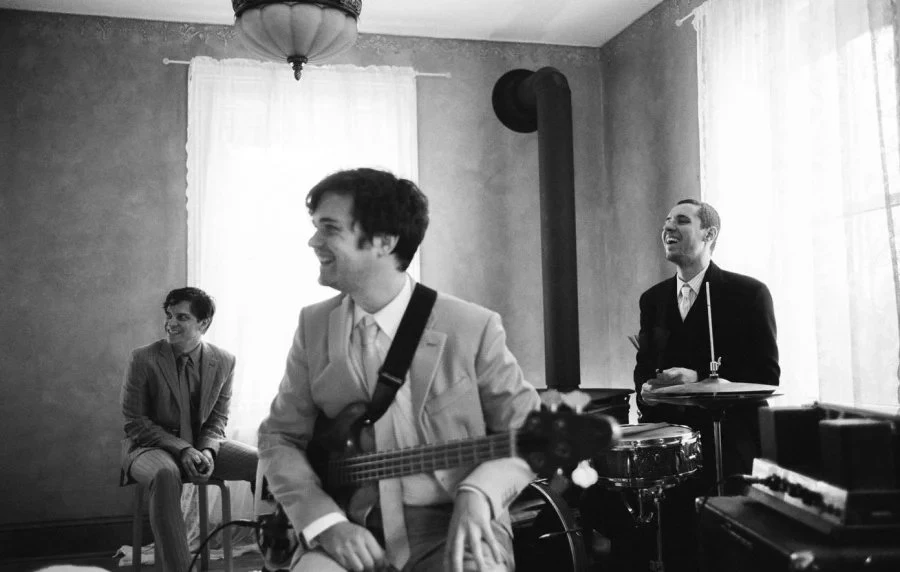
What makes IV an absolute joy to listen to between a proper pair of speakers is its commitment to human interaction. In an era where modern soul and r&b records are increasingly built across thousands of miles via emailed digital audio files, BBNG chose to pack their studio with real people, real tape machines, and an uncompromising dedication to live tracking.
The sonic signature of the album is gloriously thick and saturated. The drums don’t pop with digital crispness; they thud with the round, velvety weight of vintage analog saturation. The basslines feel elastic, weaving effortlessly around Rhodes piyanolarının and keys that sound like they were dipped in liquid honey. By expanding their core trio into a four-piece with the permanent addition of saxophone, the band unlocked a wider sonic spectrum, allowing the melodies to breathe naturally without ever cluttering the pocket of the rhythm section.
The Art of the Guest Feature
Instrumental fusion albums can easily drift into self-indulgence if the band forgets to tell a story. BBNG bypassed this trap by curating a brilliant guest list, treating their vocalists not as commercial plug-ins, but as organic textures woven directly into the band’s DNA.
- “Time Moves Slow” (featuring Samuel T. Herring): The undisputed masterpiece of the record. Anchored by a slow-burning, melancholic groove, Future Islands’ frontman Herring delivers a devastatingly soulful, weathered vocal performance. The track feels like a lost 1970s soul acetate discovered in a dusty basement—a perfect marriage of indie-pop vulnerability and heavy jazz-funk restraint.
- “Lavender” (featuring Kaytranada): A brilliant collision of worlds. The band takes Kaytranada’s signature dancefloor bounce and translates it into a dark, twitchy, and hypnotic live-band instrumental. It’s dirty, bass-heavy, and proves exactly how deeply rooted the band is in modern electronic and hip-hop cultures.
“We wanted to make a record where you could hear the sweat, the mistakes, and the immediate eye contact between musicians in a dark room.”
A Decade in the Pocket
Ten years after its release, the dust has settled and the impact of IV has only grown more profound. In a streaming landscape increasingly dominated by clinical, quantized digital perfection, this album remains a refreshing, defiant monument to the power of human synchronization.
BadBadNotGood didn’t try to make a flawless jazz record; they made a beautifully flawed, deeply human artifact that continues to inspire the new wave of UK and global jazz-funk renaissance. It’s an essential piece of modern music journalism—a timeless reminder that the best grooves happen when you turn off the computer, step into the room, and just let the tape roll.
BONUS DIG: BadBadNotGood at NPR’s Tiny Desk
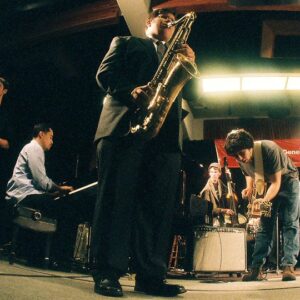
To truly understand the magnetic, live synchronization discussed in this review, you need to watch them operate without the safety net of studio tracking. The band’s performance on NPR’s Tiny Desk Concert series is a legendary testament to their raw instrumentation. Stripped of heavy mixing and post-production, the session captures the absolute grit of IV‘s era, proving that their chemistry isn’t a studio trick—it’s a living, breathing dialogue between four masters of the pocket.