The Slow-Burning Soul of Aotearoa: Revisiting Fat Freddy’s Drop’s ‘Based on a True Story’
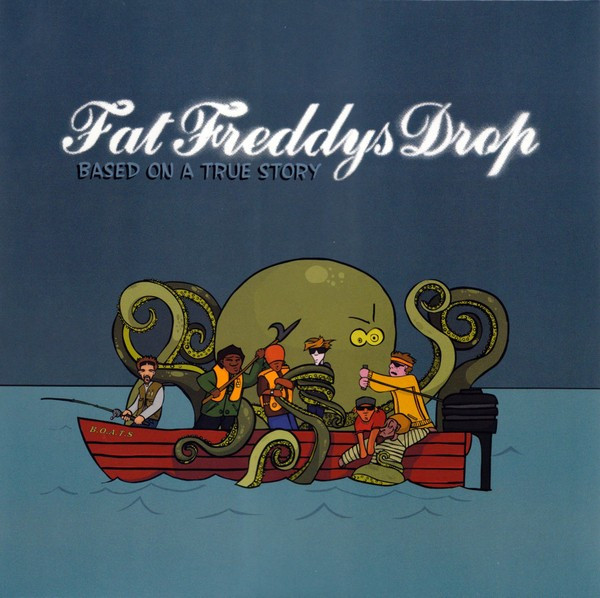
In May 2005, a seven-piece collective from Wellington, New Zealand, released a studio debut that would not only define the sound of a nation but also reshape the global perception of modern dub and soul. Based on a True Story by Fat Freddy’s Drop arrived after years of the band honing their craft in live jam sessions, and that organic, improvisational spirit is the record’s primary oxygen. It is an album that refuses to be rushed, moving with the rhythmic confidence of a group that knows exactly how to hold a groove until it glows.
Fat Freddy’s Drop occupies a unique sonic space where South Pacific roots reggae meets the precision of Detroit techno and the warmth of classic soul. Based on a True Story successfully captured this fusion, which had previously only existed in the ephemeral environment of their legendary live shows. The production is remarkably polished—sometimes arguably too much so—but it allows the complex interplay between the MPC-driven beats and the live instrumentation to shine with clinical clarity.
The Voice and the Horns
At the center of the Freddy’s sound is Joe Dukie (Dallas Tamaira), whose honeyed, effortless vocals provide the emotional anchor for the album’s sprawling arrangements. Whether he is crooning through the melancholic haze of “Dark Days” or driving the infectious bounce of “Roady,” Dukie’s delivery is consistently soulful and restrained. Complementing his voice is the band’s iconic horn section—Ho Pepa, Fulla Flash, and Tony Chang—who purr and glide through the tracks, adding a layer of jazz-inflected sophistication that elevates the music beyond standard reggae tropes.
The Midnight Marauders’ Groove
Tracks like “Wandering Eye” and “Ernie” exemplify the band’s “slow-burn” philosophy. “Wandering Eye,” a nearly ten-minute odyssey, builds from a simple, catchy hook into a dense, hypnotic super-nova of future-funk. It’s this willingness to indulge in long digressions and repetitive, trancelike structures that makes the album so rewarding for the patient listener. The album closes with “Hope,” a track that remains a cornerstone of their catalog, perfectly encapsulating their ability to blend deep-dub foundations with a sense of soaring optimism.
Conclusion
Based on a True Story remains a landmark release, not just for New Zealand music but for the global independent scene. It won Album of the Year at the 2005 NZ Music Awards and was voted Worldwide Album of the Year by Gilles Peterson’s BBC Radio 1 listeners, proving its universal appeal. Two decades later, its blend of digital pulse and human heart still sounds remarkably fresh—a timeless testament to the power of a perfectly executed jam.