The Anatomy of a Modern Classic: Ten Years of Yussef Kamaal’s ‘Black Focus’ and the Renegade Soul of London
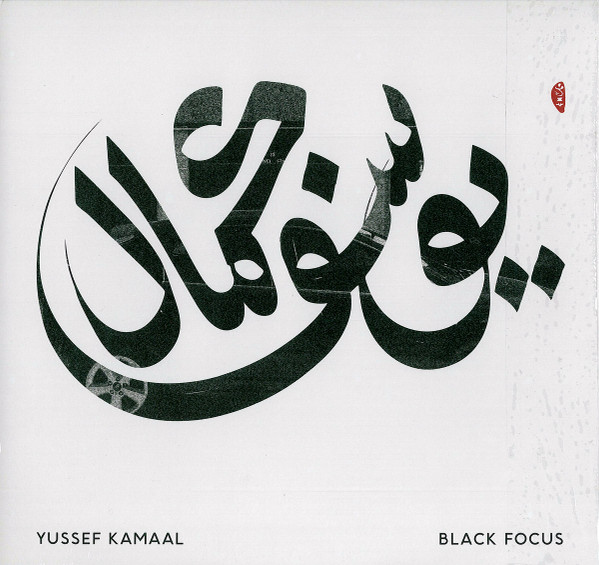
To understand why Black Focus sounds so remarkably urgent, one has to dismantle the specific environment in which it was engineered. This isn’t academic jazz played by musicians who spent their formative years memorizing charts at prestigious conservatories. This is jazz born from the club culture of Peckham and New Cross. It is music created by people who grew up listening to early 2000s grime, jungle, garage, and the broken beat movements of CoOp.
The record functions less like a traditional jazz album and more like a live-sampling session where the machines have been replaced by flesh and bone. Kamaal Williams’ synthesizer work doesn’t just lay down chords; it mimics the stabbing intensity of a grime producer operating an MPC. His choice of the Fender Rhodes is saturated, heavy, and drenched in a warm, analog grit that pays open homage to Lonnie Liston Smith and Herbie Hancock’s Head Hunters era. Yet, the way those chords mutate and syncopate feels entirely tied to the low-frequency weight of UK bass culture.
The Rhythm Section as a Weapon
At the absolute center of this record’s immortality is the polyrhythmic dialogue between Williams and Yussef Dayes. Dayes’ drumming on Black Focus shattered the traditional expectations of jazz percussion. His style here is hyper-syncopated, borrowing the frantic, ghost-note-heavy architecture of jungle and drum & bass, but executing it with an organic, loose human touch.
On tracks like “Lowrider” and “Strings of Light,” Dayes treats the snare and the hi-hat not merely as timekeeping devices, but as lead instruments. The pocket is never static. It pushes, pulls, and vibrates with an unpredictable kinetic energy that forces the listener to constantly readjust their focus.
For the high-fidelity enthusiast, this record remains a massive technical accomplishment. The production—steered expertly by Malcolm Catto of The Heliocentrics—refuses the sterile, overly isolated mixdowns of modern commercial jazz. The instruments bleed into each other’s microphones. You can feel the physical movement of the air in the room, the mechanical rattle of the rhodes keys, and the split-second decisions made in the heat of an improvisation. It is a dense, smoky soundstage where the bass doesn’t just rumble; it has a distinct, physical grain.
“We weren’t trying to make a jazz record. We were trying to make a London record. The chords are the streets, the drums are the traffic.”
A Sonic Map of the Capital
The structural brilliance of Black Focus lies in how it transitions between moments of pure, unadulterated street funk and deeply atmospheric, cinematic vistas. The title track, “Black Focus,” is a masterclass in mood setting. The track unfurls slowly, anchored by a repeating, hypnotic bassline that allows the brass sections to cut through the mix like headlights through a thick London fog.
Then you have pieces like “Joint 17,” which feel directly lifted from a late-night pirate radio broadcast. The track moves with a stuttering, broken-beat tempo that feels inherently urban, capturing the frantic, beautiful chaos of a city constantly on the move. It is this willingness to incorporate the cultural markers of their immediate surroundings—the slang, the rhythms of the underground club, the specific visual texture of a rainy night in South London—that saved the album from becoming a mere exercise in 1970s jazz-funk nostalgia.
The Legacy of a Broken Partnership
Part of the mystique surrounding Black Focus is that it represents a singular, unrepeatable moment in time. Shortly after the album’s release and a handful of legendary live shows, the duo parted ways, leaving Yussef Kamaal as a beautiful, fleeting anomaly in modern music.
But the seed had already been planted. The global success of this record blew the doors open for an entire generation of British instrumentalists—from Shabaka Hutchings and Nubya Garcia to Ezra Collective and Kokoroko. It gave permission to a new wave of artists to stop apologizing for their contemporary influences and instead use them to revitalize a genre that many cultural critics had written off as stagnant.
Ten years on, Black Focus hasn’t lost an ounce of its radical edge. In a landscape now crowded with imitators trying to replicate that specific “London sound,” the original record remains completely untouched. It is a timeless testament to what happens when you stop looking at music as a museum piece and start treating it like a living, breathing reflection of the pavement beneath your feet.