The Deep Rooted Pulse of Aotearoa: The Black Seeds’ ‘Solid Ground’ and the Art of the Analog Reggae Groove
While the global mainstream often looks to the Caribbean or the UK for the definitive evolutionary markers of reggae and dub, audiophiles and crate-diggers have long kept their eyes trained on New Zealand (Aotearoa). The South Pacific nation has developed a distinct, deeply localized sub-genre that treats space, bass, and analog warmth not just as production choices, but as a lifestyle.
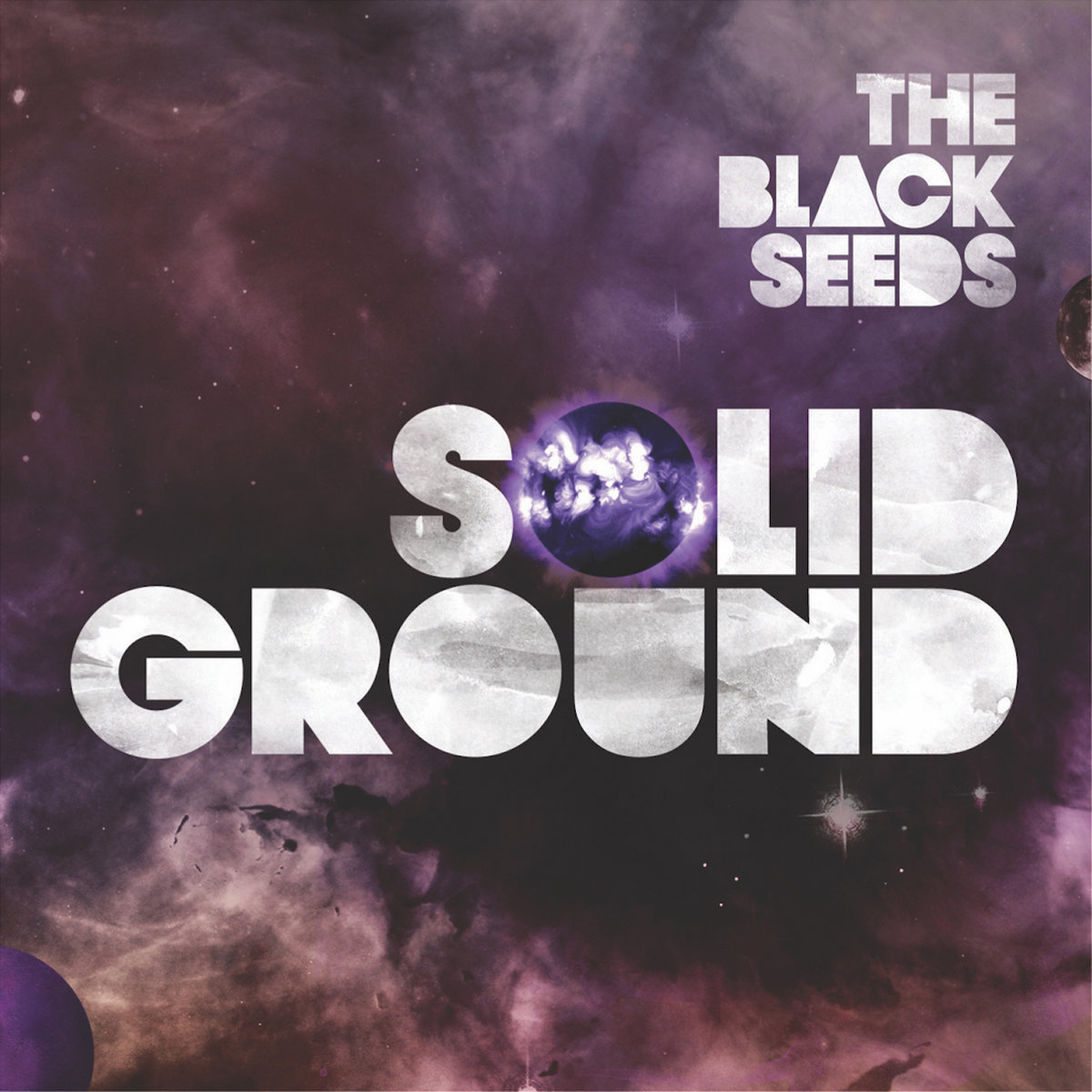
Following our exploration of Fat Freddy’s Drop’s live-electronic hybridity, we find ourselves digging into a different side of the Wellington diaspora. Released in 2008, Solid Ground by The Black Seeds stands as a monumental achievement in modern roots music. Unlike their contemporaries who leaned into the digital MPC pulse of future-soul, The Black Seeds chose to construct a fortress of pure, humanized analog groove. Nearly two decades since its release, the album remains a masterclass in how to capture the physical weight of a big band in a studio room—making it one of the most fiercely requested albums for a vinyl pressing by modern roots collectors.
The Architecture of the Big Band Pocket
To understand the sonic density of Solid Ground, one has to understand the sheer scale of the collective. Operating as an eight-piece ensemble, the band’s primary challenge has always been the management of frequency. In lesser hands, a lineup consisting of a full brass section, dual vocalists, vintage keyboards, and multiple percussionists can easily collapse into a muddy, fatiguing wall of sound.
On Solid Ground, however, the band uses arrangement as a filter. The pocket is remarkably clean. The rhythm section—anchored by steady, metronomic basslines and crisp, snapping rimshots—creates a wide, cavernous foundation. This intentional use of spatial separation allows the horn section to slice through the high-mids with an immediate, biting clarity that recalls the classic 1970s recordings from Lee “Scratch” Perry’s Black Ark studio.
For the high-fidelity listener, this album is a masterclass in dynamic range. The production refuses the sterile, hyper-compressed “loudness” that plagued late-2000s roots revivals. Instead, there is a physical “push” to the speakers. When the heavy dub delay drops on tracks like “Cool Me Down,” the low-end doesn’t just rumble; it has a round, velvety texture that demands a serious sound system to fully appreciate the instrument separation.
Dual Perspectives: The Vocal Contrast
A significant element of the album’s narrative fluidity is the dual-vocal dynamic between Barnaby Weir and Daniel Weetman. The two vocalists function as opposite sides of the same coin, preventing the album from falling into a monotonous vocal delivery.
- Barnaby Weir’s delivery is grounded in a gritty, soulful baritone. His voice carries a distinctly weathered, blues-inflected tone that gives tracks like “Slingshot” a weight and seriousness that elevates them beyond standard feel-good festival reggae.
- Daniel Weetman, on the other hand, provides the rhythmic, percussion-driven energy. His higher register, often leaning into a rhythmic chant or a smooth falsetto, injects tracks like “Make a Move” with an infectious, funk-driven momentum.
This vocal counterpoint allows the album to transition seamlessly between heavy, politically minded roots structures and lighter, dancefloor-ready Pacific soul without ever breaking the cohesive atmosphere of the record.
“Reggae in the South Pacific isn’t a borrowed jacket; it’s a completely restructured sound. It takes the Jamaican skeleton and wraps it in the humid, wood-paneled warmth of a Wellington winter.”
The CD Era’s Analog Mirage
The structural pacing of Solid Ground feels like a cruel irony for modern crate-diggers. Despite its immense, humid analog warmth and cavernous dub spacing, the album was never officially pressed to vinyl—remaining a holy grail of the late-2000s CD and digital era.
Tracks like “The Prince” showcase their willingness to let a groove breathe. The instruments gradually peel away, leaving only the skeletal framework of the bass and drums floating in a sea of analog spring reverbs and tape echoes. It is this dedication to the “space between the notes”—the absolute restraint shown by eight virtuoso musicians—that makes this digital artifact sound more organic than most modern wax releases in 2026.
The Verdict and Lasting Impact
Solid Ground did more than just solidify The Black Seeds’ status as leaders of the New Zealand music scene; it proved that roots reggae could be treated with the same forensic, audiophile-level production precision usually reserved for high-concept jazz or electronic music.
In an era where modern roots music often relies heavily on digital emulation and convenient plugins, Solid Ground stands as a defiant monument to the power of a real band, in a real room, tracking to tape. Until the day a reissue label finally gives this masterpiece the heavyweight double-vinyl treatment it deserves, it remains an essential, pristine dynamic anchor in any serious digital or CD archive.